Play With a Plan From the First Bid
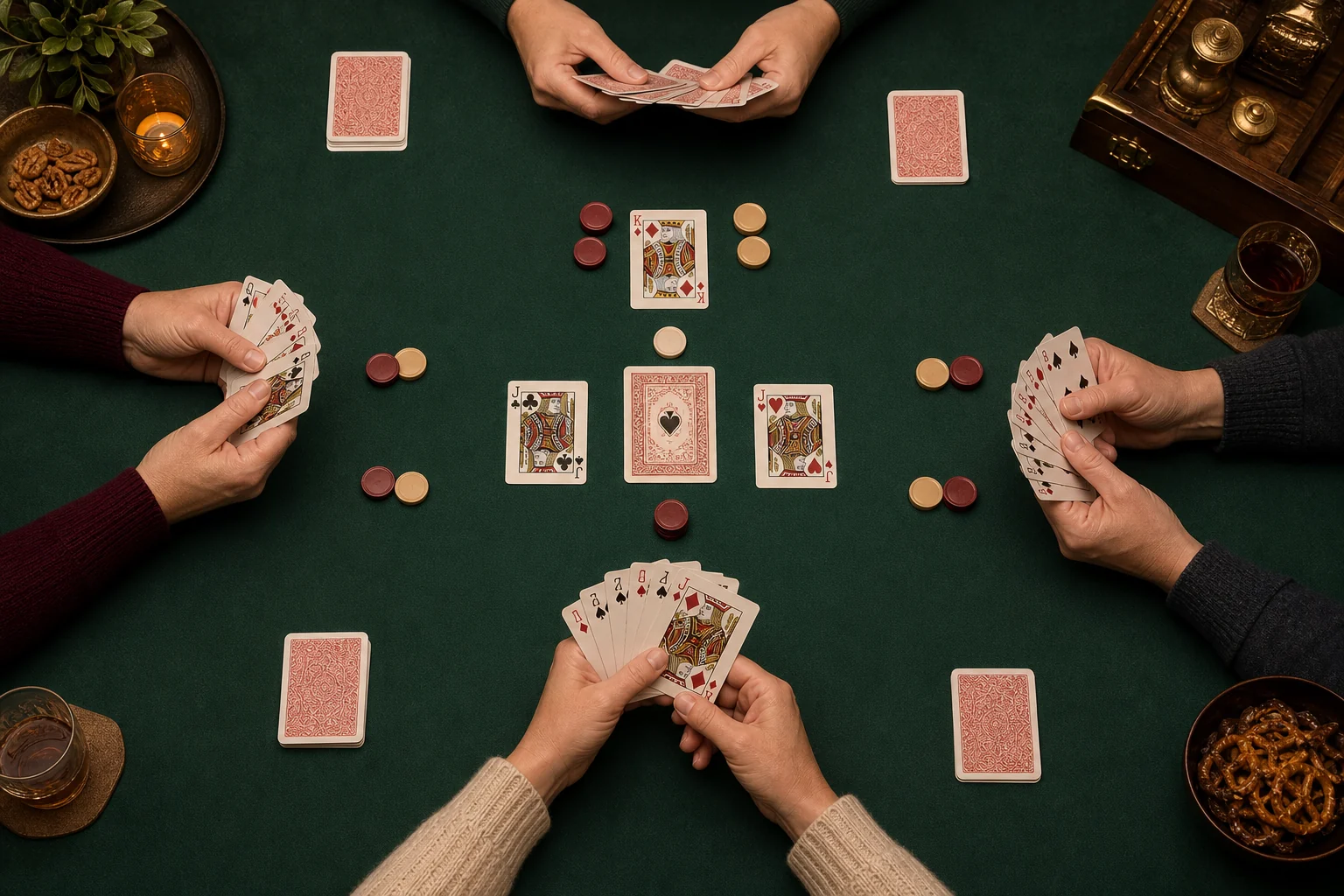
A good Pinochle hand starts before the first trick. Look at the suits, count the obvious meld, and decide whether one trump suit gives the hand a real path. That small pause keeps the game from turning into guesswork.
What to Notice First
Begin with cards that can win or score: aces, tens, kings, strong trump length, marriages, runs, and the queen of spades with jack of diamonds. If those pieces point in the same direction, the hand may support a bid. If they are scattered, patience is usually better than forcing a contract.
A Table Note From Azriel Lofferman
Azriel Lofferman's usual advice is plain: do not bid a hand only because the meld looks pretty. Meld gives you a start, but trick points finish the job. Treat every bid as a promise you still have to prove card by card.
Quick read
- Choose trump only when it improves the whole hand.
- Count meld separately from likely trick points.
- Save counters for tricks your side can win.
- Pass when the hand has no clear route to the bid.
Classic Pinochle Without Waiting for a Table
Pinochle is a trick-taking card game with a sharper opening than most classics. You do not simply receive cards and follow suit. First comes the bid, then the meld, then the fight to win enough counters with trump, aces, tens, and kings. That sequence is why a short hand can still feel full of decisions.
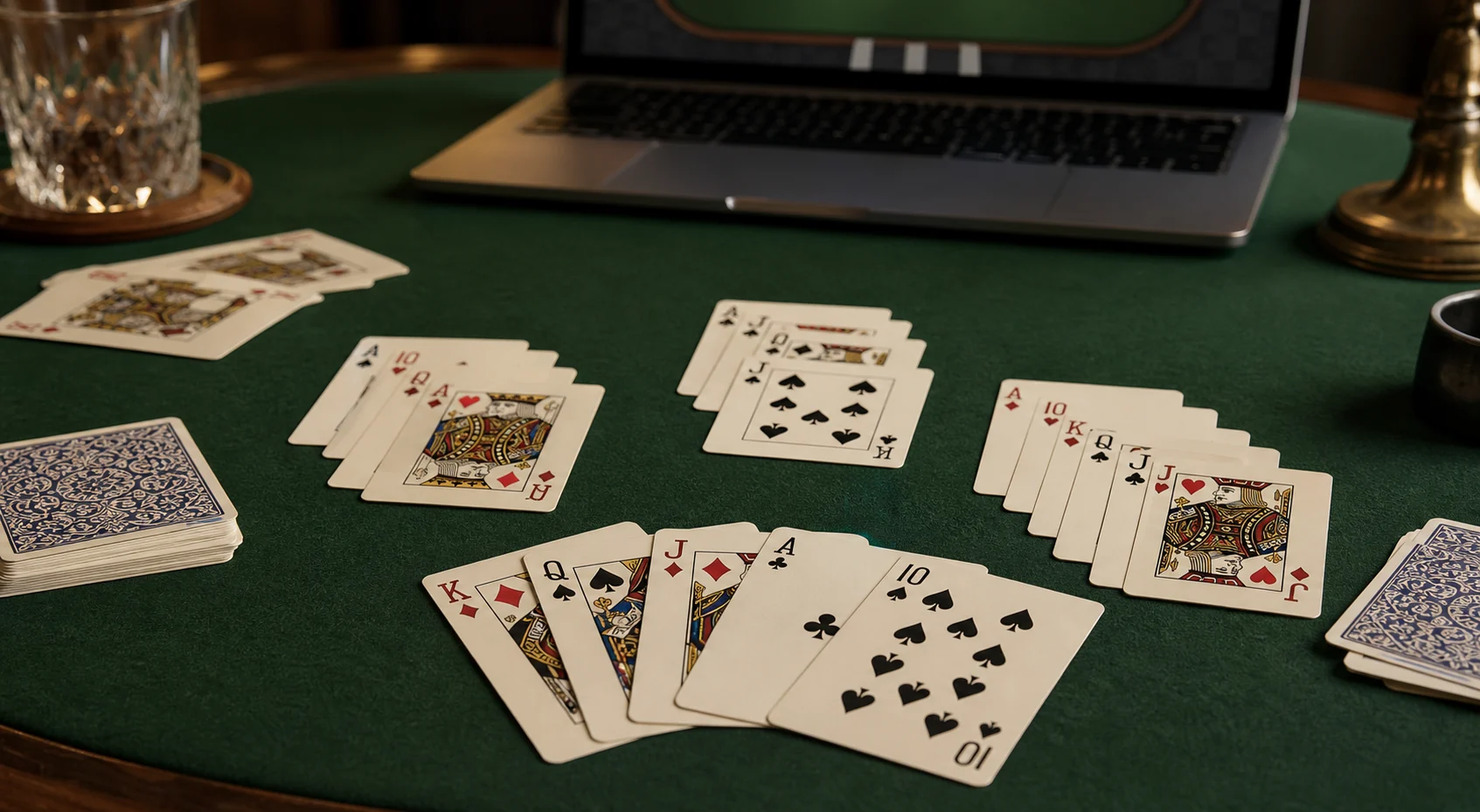
Use this page as the front door to a free Pinochle card game session. The guide pages are here for support, but the main purpose is clear: sit down, start a hand, and understand what the table is asking from you.
At a glance
- Bid for the right to name trump.
- Show meld before trick play begins.
- Protect counters: aces, tens, and kings.
- Use trump to control the hardest tricks.
Every Hand Has a Contract to Prove
The best part of Pinochle is the promise you make before play begins. A bid is not decoration. It says your hand, your partner, your meld, and your trump plan can reach a number. Once play starts, every trick either backs that promise or exposes it.
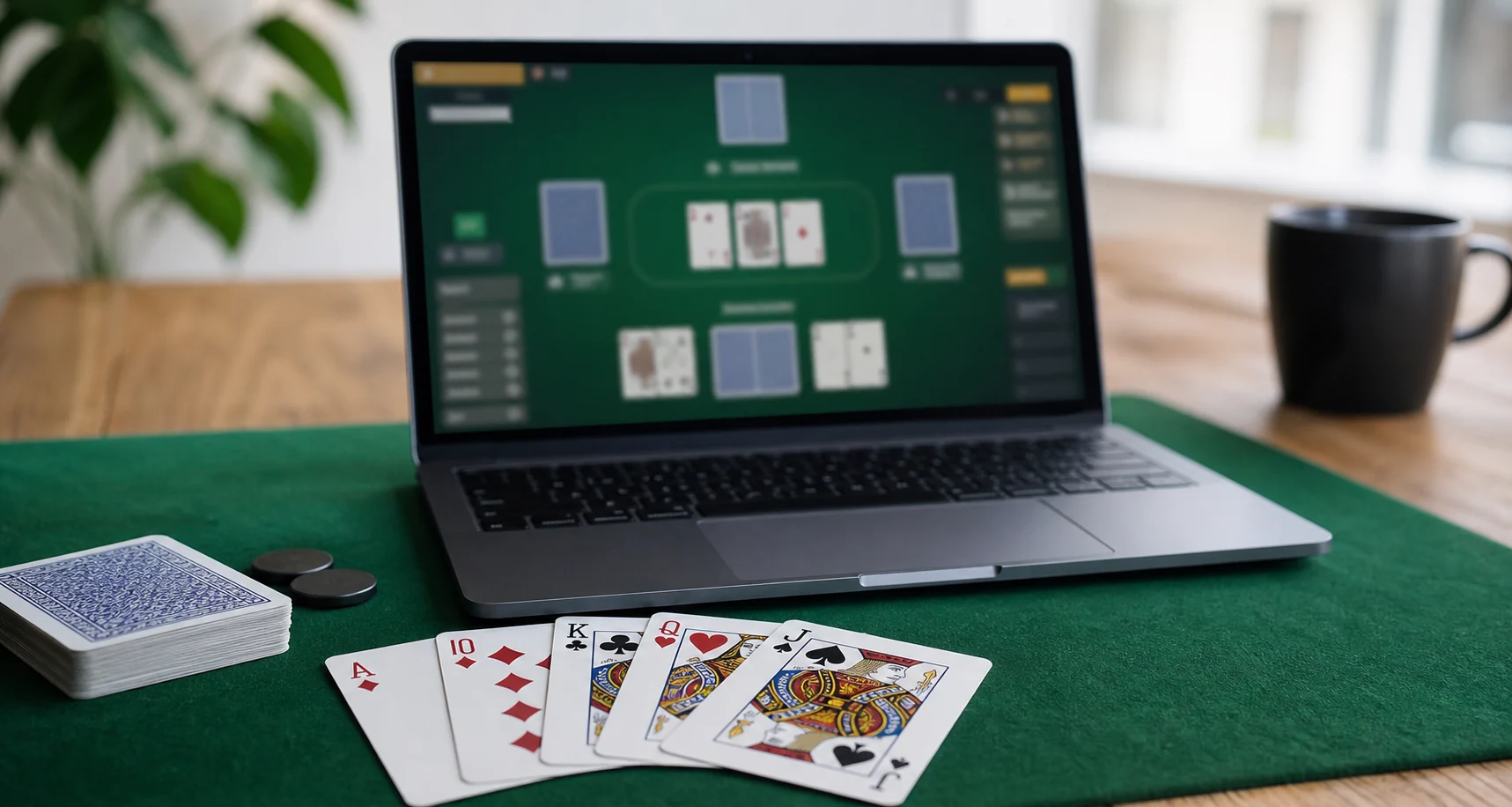
That makes Pinochle online a strong fit for browser play. The deal is quick, the score is handled cleanly, and you can focus on judgment: when to bid, when to pass, when to pull trump, and when to save a counter for a trick your side can actually win.
What Makes Pinochle Different?
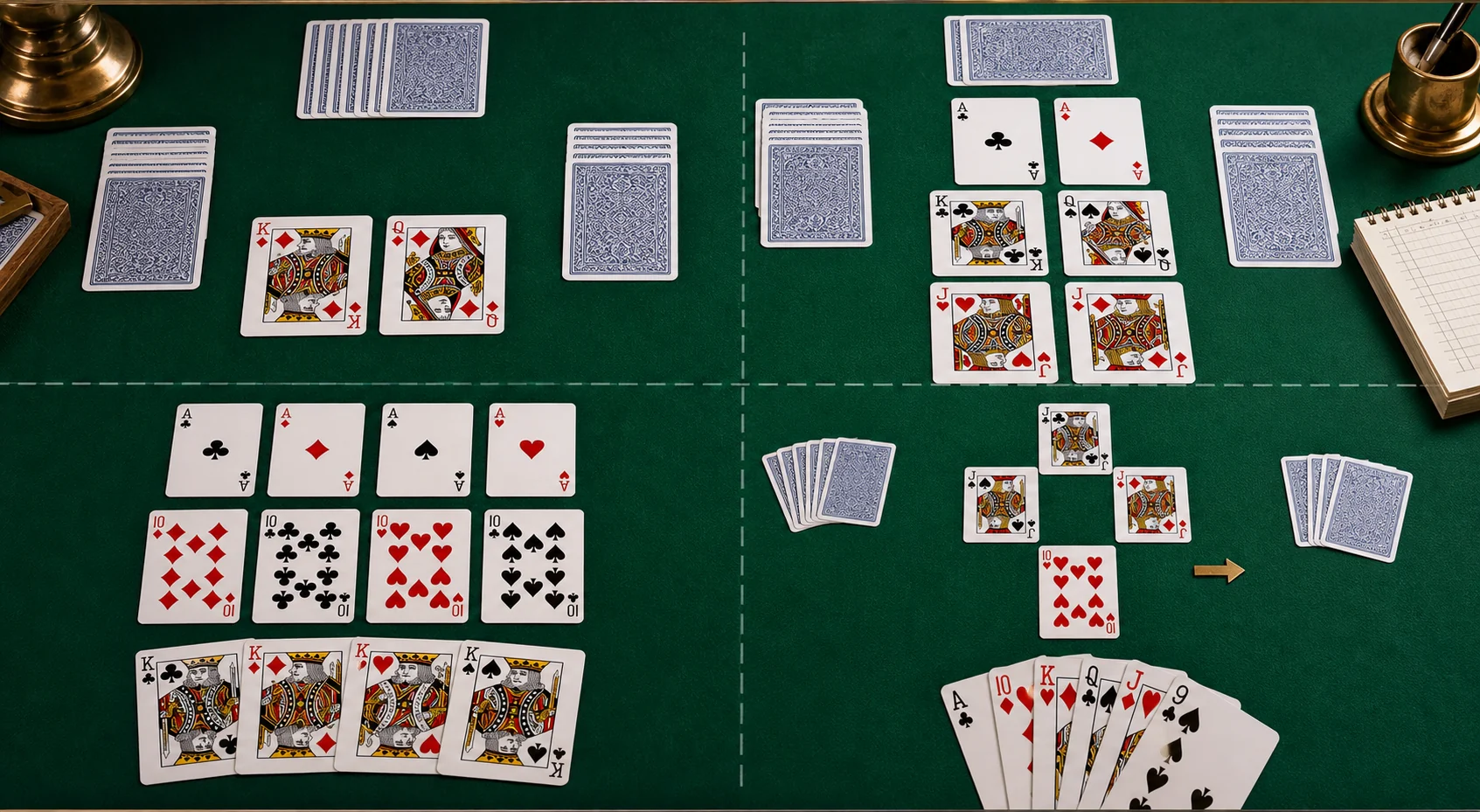
Pinochle uses a compact deck made from repeated high cards. The ranking feels familiar, but the values are not casual. Aces, tens, and kings carry counter weight; queens and jacks can build meld; nines often sit at the edge of trump tactics. You are reading both the cards you can score before play and the tricks you still have to win.
That blend gives pinochle classic its rhythm. One hand may be won by a powerful run in trump. Another may depend on a modest marriage, a cautious bid, and disciplined counter saving. The game rewards players who can count, remember, and change plans without panic.
The Table in Plain English
Bid for control
Players bid based on meld potential, trump strength, and likely counters. The winning bidder names trump and carries the contract.
Count the meld
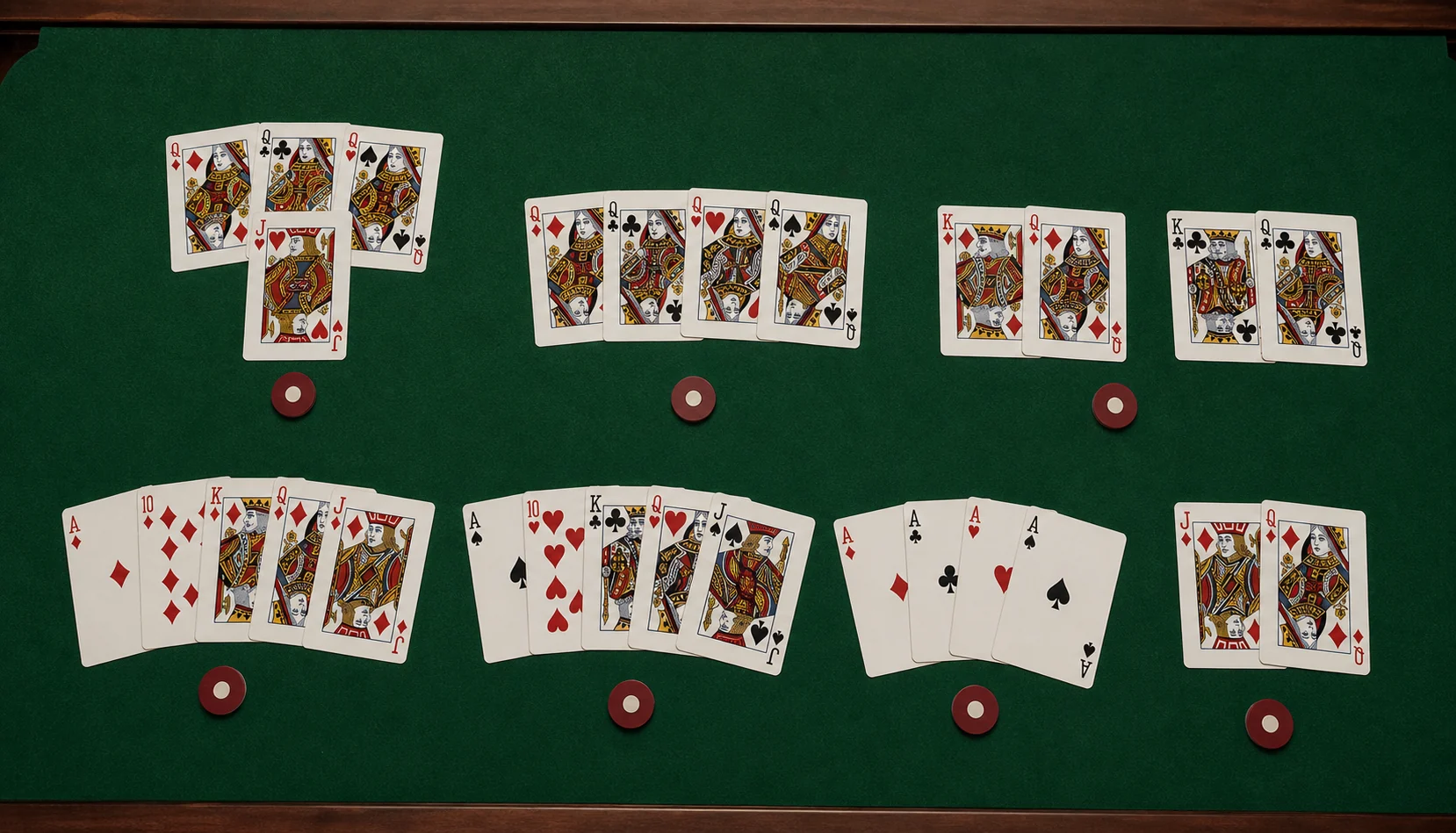
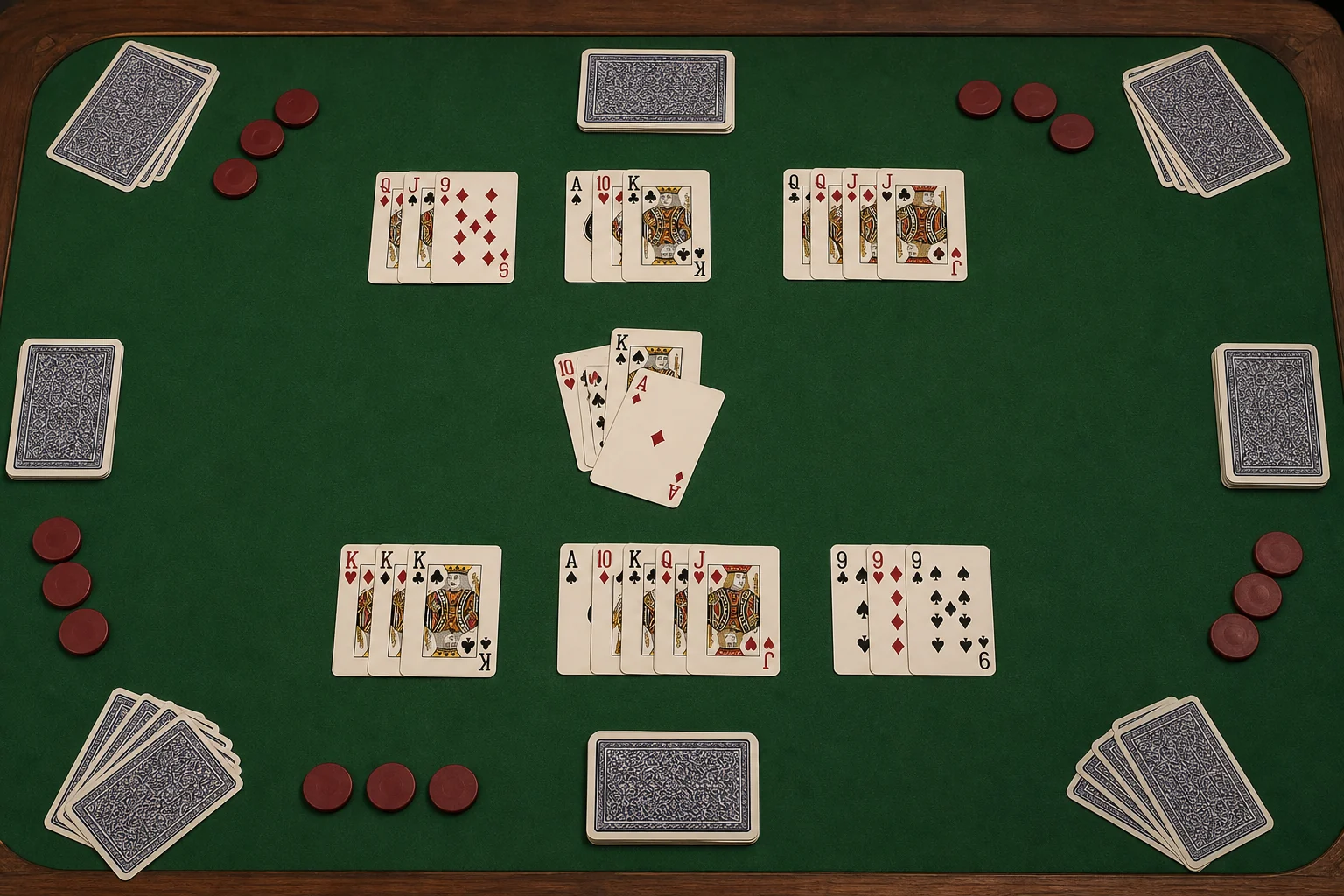
Runs, marriages, pinochle, arounds, and other combinations are shown before trick play. Meld points help, but they do not replace trick points.
Play the tricks
Follow suit when possible, use trump when the rules and table position call for it, and avoid giving away counters in tricks your side cannot win.
Make the contract
The hand is judged against the bid. Good Pinochle play means bidding a number you can defend after the cards hit the table.
Small Decisions That Win More Hands
- Sort cards by suit before judging the bid.
- Do not count meld as if tricks will play themselves.
- Track which aces and tens have already appeared.
- Pull trump when it protects your contract, not by habit.
- Save counters for tricks your side is likely to own.
- Watch your partner's lead before assuming their strength.